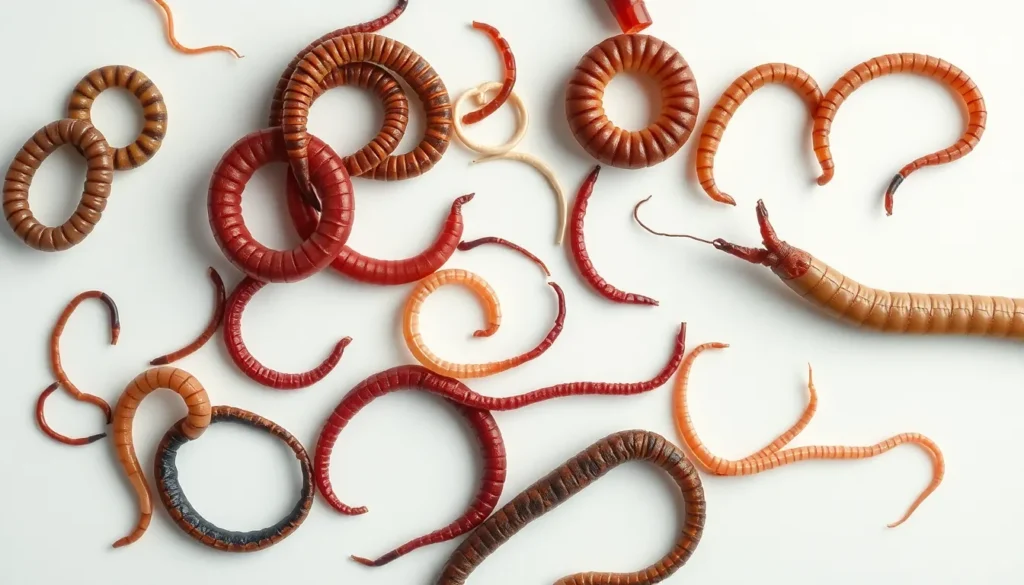
Worm infestations in humans can be both fascinating and alarming. These parasites, often invisible to the naked eye, can cause a range of health issues that affect millions globally. Understanding what these worms look like inside the human body can demystify their presence and highlight the importance of prevention and treatment.
Through striking images and detailed descriptions, this article explores the various types of worms that can inhabit the human system. From the common pinworm to more exotic species, each has its own unique characteristics and implications for health. By shedding light on this hidden world, readers can gain valuable insights into how to protect themselves and recognize the signs of infestation.
Understanding Worm Infections
Worm infections in humans pose serious health risks, necessitating a comprehensive understanding of the types of worms and their life cycles. Familiarity with these aspects aids in effective prevention and management strategies.
Types of Worms in Humans
- Pinworms: Commonly found in children, pinworms cause itching around the anus, particularly at night. They can easily spread through contaminated surfaces and hands.
- Hookworms: These parasites enter the body through the skin, often from contaminated soil. They attach to the intestines, leading to anemia and nutritional deficiencies.
- Roundworms: Infecting millions globally, roundworms cause intestinal blockages and malnutrition. They spread through contaminated food and water.
- Tape Worms: Resulting from undercooked meat, tape worms can grow significantly within the intestines, leading to digestive issues and weight loss.
- Whipworms: These worms reside in the intestines, causing rectal bleeding and discomfort. They spread through contaminated soil and food.
Life Cycle of Human Parasitic Worms
- Egg Stage: Parasitic worms start their life cycle as eggs, which can be ingested through contaminated food, water, or surfaces.
- Larval Stage: Once ingested, eggs hatch into larvae, which then migrate within the host’s body to reach their habitat, often in the intestines.
- Adult Stage: After maturing, adult worms reproduce, releasing more eggs into the host’s digestive system, which repeats the cycle.
- Transmission: The cycle completes when eggs exit the host through feces, contaminating the environment and allowing new hosts to ingest them.
- Symptoms: The life cycle’s progression often correlates with symptomatic phases, leading to health complications associated with the specific type of worm.
The Impact of Worms on Human Health
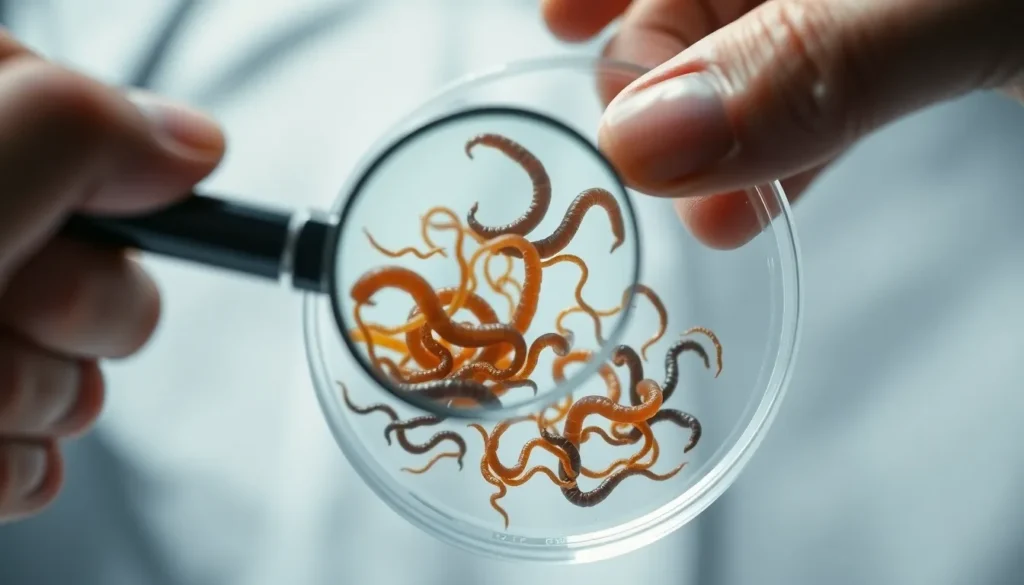
Worm infestations pose significant health threats to humans, with various types of worms leading to a range of symptoms and complications. Understanding these impacts is crucial for timely diagnosis and treatment.
Symptoms of Worm Infections
Symptoms of worm infections can vary based on the type of worm and the severity of the infestation. Common indications include:
- Abdominal pain: May occur due to intestinal obstruction or inflammation.
- Diarrhea: Often results from irritation in the intestines.
- Weight loss: Nutritional deficiencies from worm absorption of nutrients can lead to noticeable weight loss.
- Fatigue: Chronic infections may drain energy levels, causing excessive tiredness.
- Itching around the anus: This symptom is especially prominent with pinworm infections.
Each symptom presents different implications for health, requiring attention and appropriate medical intervention.
Health Risks Associated with Worm Infestations
Worm infestations carry various health risks that can affect overall well-being. Notable risks include:
- Nutritional deficiencies: Worms like tapeworms consume nutrients, leading to deficiencies in vitamins and minerals.
- Anemia: Hookworms can cause significant blood loss, resulting in anemia and its associated complications.
- Growth impairment: In children, chronic infections often lead to stunted growth and cognitive development issues.
- Bowel obstruction: Severe infestations can block the intestines, necessitating surgical intervention in critical cases.
- Increased vulnerability to infections: Weakened immune systems due to nutritional shortages can lead to higher susceptibility to other infections.
Awareness of these health risks helps in recognizing the urgency for medical evaluation and treatment when symptoms arise.
Pictures of Worms in Humans
Visual representations of worms found in humans play a crucial role in understanding these parasites and their potential health impacts. By examining these images, individuals can better recognize signs of infestations.
Commonly Observed Worms
- Pinworms
Pinworms are small, white worms, measuring about 1 cm long. They are commonly seen around the anus, where they lay eggs, leading to itching and discomfort. Photos typically show the thin, elongated body.
- Hookworms
Hookworms are thin and elongated, generally 1 cm to 2.5 cm in length. Their images often highlight their bite-like mouth, which allows them to attach to intestinal walls. This type can cause anemia due to blood loss.
- Roundworms
Roundworms can grow up to 15 cm, exhibiting a thick, cylindrical shape. Images typically display their creamy yellow color and smooth surface. They can cause various gastrointestinal symptoms.
- Tapeworms
Tapeworms are flat and segmented, measuring several meters in length. Photos show their distinct ribbon-like appearance, with segments called proglottids that can sometimes be seen in stools. These parasites can lead to nutritional deficiencies.
- Whipworms
Whipworms appear thin and whip-like, measuring about 3 to 5 cm. Visuals often emphasize their tapered ends, which aid in anchoring to the intestinal lining. They can cause inflammation and gastrointestinal issues.
Unusual Cases and their Visual Representations
- Filarial Worms
Filarial worms, transmitted by mosquito bites, can cause severe swelling, particularly in the limbs. Images frequently highlight the presence of these long, thread-like worms in tissue samples.
- Pork Tapeworm
In rare cases, the pork tapeworm can invade human tissues, leading to cysticercosis. Pictures reveal cysts in muscles or organs, demonstrating their potential severity.
- Anisakidosis
Anisakis, a type of roundworm found in fish, can infect humans who consume undercooked seafood. Visuals often depict the worms nested within fish tissue, illustrating the need for proper cooking methods.
- Strongyloides
Strongyloides stercoralis can cause strongyloidiasis, a severe infection that can remain dormant. Pictures display larvae in stool samples, showcasing the life cycle’s complexity.
- Dirofilaria
Dirofilaria immitis, or heartworm, primarily affects dogs but can be accidentally transferred to humans. Visuals demonstrate worms in human tissues, emphasizing the need for awareness of zoonotic infections.
Diagnosis and Treatment
Accurate diagnosis and effective treatment are crucial in managing worm infestations in humans. Healthcare professionals often utilize various methods to diagnose the type of worm involved, followed by tailored treatment options based on the specific infestation.
Diagnosis Methods
Diagnosis typically starts with a comprehensive medical history and a physical examination. Healthcare providers may use the following methods:
- Stool Examination: Microscopic analysis of stool samples detects eggs or adult worms. This method is standard for identifying different types of helminth infections.
- Tape Test: For pinworm infections, a piece of clear tape placed around the anal area collects eggs, enabling identification under a microscope.
- Blood Tests: Serological tests identify certain infections, like filariasis and strongyloidiasis, by detecting specific antibodies or antigens.
- Imaging Tests: Ultrasound, CT scans, or MRI may be utilized to visualize worms residing in organs, particularly in cases involving larger parasites like tapeworms.
Treatment Options
Treatment options vary based on the identified type of worm and the severity of the infestation. Common treatments include:
- Anthelmintic Medications: Prescribed medications, including albendazole or mebendazole, target various worms by disrupting their metabolism or preventing growth.
- Piperazine: Effective for pinworm infections, piperazine paralyzes worms, facilitating their expulsion from the body.
- Praziquantel: Commonly used against schistosomiasis and tapeworms, praziquantel increases the permeability of the worm’s skin, leading to its death.
- Surgical Intervention: In severe cases, especially with complications like obstruction, surgery might be necessary to remove the worms or affected tissue.
Timely diagnosis and appropriate treatment significantly enhance recovery outcomes for individuals affected by worm infestations.
Prevention Strategies
Adopting effective prevention strategies plays a critical role in safeguarding against worm infestations in humans. Through proper hygiene and dietary practices, individuals can significantly reduce their risk of infection.
Hygiene Practices
Implementing rigorous hygiene practices helps prevent the transmission of parasitic worms. Key strategies include:
- Regular handwashing: Washing hands with soap and water before meals and after using the bathroom minimizes the risk of ingesting eggs or larvae present on the skin.
- Nail trimming: Keeping fingernails short and clean reduces the likelihood of eggs accumulating under the nails, making transmission less likely.
- Safe food handling: Cooking food thoroughly, especially pork and fish, eliminates potential parasites and their eggs present in undercooked meals.
- Maintaining sanitation: Regularly cleaning household surfaces and ensuring proper disposal of feces prevents contamination in living environments.
- Use of footwear: Wearing shoes outdoors, particularly in areas where soil is contaminated, protects against hookworm and other soil-transmitted infections.
Dietary Recommendations
Following specific dietary recommendations aids in prevention against worm infestations. Important practices include:
- Washing fruits and vegetables: Rinsing produce thoroughly under running water removes possible contaminants and eggs.
- Avoiding unpasteurized dairy: Consuming only pasteurized milk and dairy products decreases the risk of zoonotic infections.
- Drinking clean water: Ensuring access to safe drinking water lessens the likelihood of ingesting harmful organisms.
- Avoiding raw or undercooked foods: Steer clear of raw fish, meat, and eggs that may carry parasites, opting instead for fully cooked options.
- Incorporating anti-parasitic foods: Including garlic, pumpkin seeds, and pomegranates in the diet may have natural anti-parasitic properties that support immune function.
Through adherence to these hygiene practices and dietary recommendations, individuals can effectively reduce the risk of worm infestations in humans.
Understanding the implications of worm infestations in humans is crucial for maintaining health and well-being. By recognizing the signs and symptoms associated with various types of worms individuals can take proactive steps towards prevention and timely treatment. The importance of hygiene and dietary practices cannot be overstated in reducing the risk of these parasitic infections.
With the right knowledge and awareness individuals can protect themselves and their families from the potential health risks posed by these parasites. Staying informed about the life cycles and transmission methods of worms will empower people to make safer choices in their daily lives. Ultimately this awareness leads to healthier communities and a better quality of life.