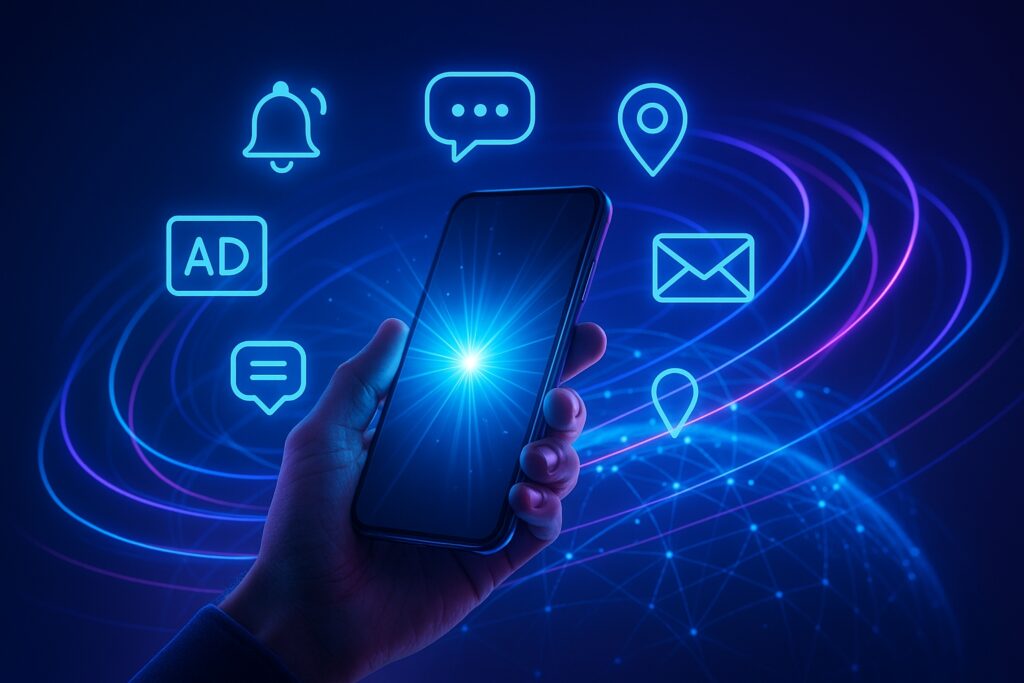
In a world where everyone’s glued to their smartphones, mobile marketing has become the secret sauce for businesses looking to thrive. It’s not just about sending a text or a flashy ad; it’s about crafting experiences that fit right into consumers’ pockets. Imagine reaching your audience while they’re waiting in line for coffee or scrolling through social media in their pajamas. Sounds like a marketer’s dream, right?
Table of Contents
ToggleWhat Is Mobile Marketing?
Mobile marketing targets consumers through their smartphones and other mobile devices. It encompasses various techniques designed to reach potential customers on-the-go. Strategies may include SMS campaigns, mobile apps, and location-based services.
Mobile marketing emphasizes user engagement, aiming to create personalized experiences. For example, brands can send targeted promotions based on users’ behaviors or preferences. SMS marketing remains a powerful tool, boasting high open rates compared to traditional email.
App advertising plays a significant role as well. Many businesses leverage mobile applications to provide value-driven content or exclusive offers. Enhanced user experience results in higher conversion rates, contributing to overall marketing success.
Geolocation technology adds another layer. It enables marketers to deliver contextually relevant messages based on users’ physical locations. When someone visits a local store, a timely deal notification creates an opportunity for immediate purchase.
Social media platforms also strengthen mobile marketing efforts. With billions of active users, apps like Facebook and Instagram allow brands to connect with targeted audiences. Engaging content that encourages sharing furthers brand visibility and reach.
In addition, mobile-optimized websites are crucial. An easy-to-navigate site enhances user experience and keeps visitors engaged longer. Website design that adapts to different screen sizes ensures seamless browsing, ultimately boosting conversion.
Mobile marketing’s effectiveness stems from its ability to integrate with consumers’ daily routines. Marketers who prioritize these strategies gain a competitive advantage in an increasingly mobile-centric world. Data-driven decisions enable businesses to optimize campaigns and foster lasting customer relationships.
Importance Of Mobile Marketing
Mobile marketing plays a pivotal role in engaging consumers in today’s fast-paced digital landscape. Brands that leverage mobile marketing effectively deepen their connection with customers while optimizing their outreach efforts.
Reach And Engagement
Mobile marketing reaches a vast audience, given that approximately 86% of Americans own smartphones. Marketers can engage users through diverse channels, including SMS, apps, and social media platforms. SMS campaigns boast open rates of 98%, a substantial increase compared to traditional email methods. Engaging content ensures that target audiences interact with brands during everyday activities. Effective advertising through apps offers exclusive deals, encouraging user commitment and higher conversion rates. Furthermore, more than 50% of web traffic originates from mobile devices, emphasizing the necessity of mobile-friendly websites for consistent audience interaction.
Customer Insights
Mobile marketing provides valuable insights into consumer behavior and preferences. Brands gather data through app usage, website interactions, and SMS responses to tailor their strategies accordingly. Personalization enhances user experiences and builds stronger relationships. For instance, location-based services deliver relevant promotions when customers are nearby, directly influencing their purchasing decisions. Analytics track user engagement, enabling businesses to refine campaigns based on real-time feedback. Moreover, mobile surveys and feedback collection allow brands to adjust offerings, ensuring they meet consumer needs effectively.
Key Strategies In Mobile Marketing
Mobile marketing incorporates various strategies aimed at engaging consumers effectively through their devices. Two key components include SMS marketing and mobile apps, both crucial in reaching audiences in meaningful ways.
SMS Marketing
SMS marketing stands out for its high engagement rates. Open rates for SMS campaigns reach 98%, making text messaging an effective tool for communication. Brands leverage this strategy to send personalized promotions and timely updates, ensuring messages resonate with recipients. Quick delivery fosters immediate responses, encouraging consumer interaction. Marketers can target specific customer segments based on their preferences, enhancing relevance. Timely messages can reach users while they’re engaged in daily activities, increasing the chances of conversions.
Mobile Apps
Mobile apps play a vital role in mobile marketing strategies. Brands develop applications to create a direct line of communication with users, offering exclusive content and promotions. High user engagement stems from providing personalized experiences, tailored to individual preferences and behaviors. Integrating features like push notifications allows businesses to send timely updates and reminders about new products or special offers. Analytics gathered from app usage helps brands refine their strategies, ensuring ongoing improvements. Consumers benefit from seamless browsing and easy access, reinforcing brand loyalty and enhancing their overall experience.
Best Practices For Mobile Marketing
Mobile marketing thrives on effective strategies that enhance user experiences. Marketers can elevate engagement through techniques like personalization and responsive design.
Personalization
Personalization creates deeper connections with consumers. Brands can analyze user data to tailor content and offers that meet individual preferences. Using behavioral insights increases the relevance of promotions, enhancing conversion rates. Sending targeted SMS campaigns allows companies to reach customers with timely offers. For instance, personalized messages can contain discounts based on previous purchases. Ensuring that the marketing approach reflects customer needs is essential. Engaging users in a meaningful way fosters brand loyalty and encourages repeat business.
Responsive Design
Responsive design optimizes website performance across various devices. Marketers must prioritize creating a seamless browsing experience on smartphones. Mobile users expect quick loading times and easy navigation. Websites that automatically adjust layout enhance usability and retain visitors. According to recent statistics, over 50% of web traffic now comes from mobile devices. Ensuring that mobile sites are user-friendly directly impacts engagement rates. Testing website responsiveness across different screen sizes guarantees accessibility for all users. Quality design enhances interaction and boosts potential conversions, aligning with consumer expectations in today’s mobile-centric environment.
Future Trends In Mobile Marketing
Mobile marketing continues to evolve, with several emerging trends shaping its future.
Artificial Intelligence
Artificial intelligence (AI) revolutionizes mobile marketing by enhancing personalization and automation. AI analyzes vast amounts of consumer data to predict preferences, tailoring content uniquely to individual users. Over 70% of marketers report increased conversion rates through AI-driven insights. Chatbots, powered by AI, provide instant customer support and engagement, improving user experiences. Additionally, machine learning enables marketers to refine strategies based on real-time analytics, optimizing campaigns efficiently. Businesses can leverage AI to enhance targeting accuracy, making their messages more relevant to consumers. Automation in ad placements streamlines campaign management, allowing marketers to focus on creative aspects.
Augmented Reality
Augmented reality (AR) transforms mobile marketing by offering interactive and immersive experiences. Brands can utilize AR to create engaging advertisements that allow users to visualize products in their environment before purchasing. Approximately 61% of shoppers prefer retailers using AR technology. As a result, customer engagement increases significantly through gamified marketing strategies that integrate AR features. Also, AR applications help brands stand out in a crowded marketplace, enhancing brand recall. This technology bridges the gap between digital and physical shopping experiences, appealing especially to younger demographics. Overall, AR enhances interactivity, making mobile marketing campaigns more captivating and effective in driving conversions.
Mobile marketing is an essential strategy for brands aiming to connect with consumers in today’s fast-paced digital landscape. By leveraging techniques like SMS campaigns and mobile apps, businesses can create personalized experiences that resonate with users. The integration of geolocation and analytics further enhances these efforts, allowing for targeted messaging that drives immediate engagement.
As technology continues to evolve, embracing innovations like AI and AR will be crucial for staying ahead. Marketers who prioritize mobile strategies not only improve their reach but also foster deeper relationships with their audience. In a world where smartphones dominate, effective mobile marketing is a key component for success.