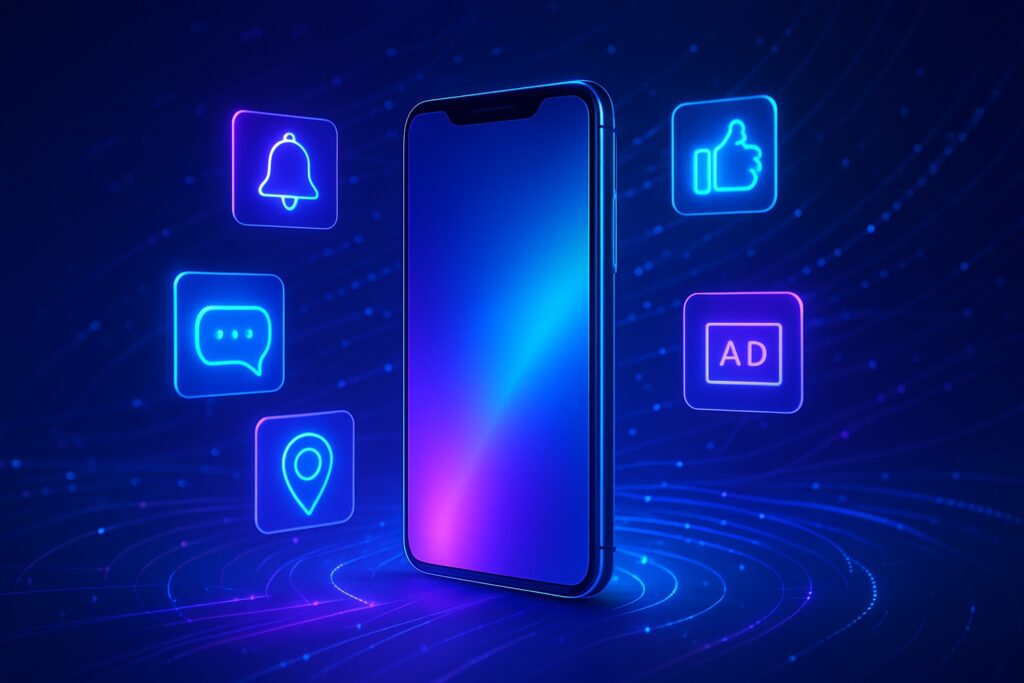
In a world where everyone seems glued to their smartphones, mobile marketing is the superhero businesses never knew they needed. Gone are the days of traditional ads that gather dust in the corner; today, it’s all about reaching customers where they are—right in the palm of their hands. If you’re not tapping into this dynamic landscape, you might as well be shouting into a void.
Table of Contents
ToggleOverview Of Mobile Marketing
Mobile marketing encompasses a variety of strategies aimed at reaching consumers through their mobile devices. Strategies include SMS marketing, app-based marketing, and mobile website optimization. Businesses leverage these methods to create personalized experiences that drive engagement and conversions.
In 2023, the global mobile advertising market valued over $290 billion. This growth reflects the increasing reliance on smartphones for online activities. Users spend around three hours daily on mobile apps, making mobile an essential channel for brand exposure.
Targeting specific demographics enhances the effectiveness of mobile marketing campaigns. Advertisers analyze user behavior, location data, and preferences to tailor content that resonates with potential customers. Engaging visuals and concise messaging lead to higher click-through rates and improved user interaction.
Additionally, mobile marketing fosters real-time engagement. Brands offer promotions that reach customers instantly, creating a sense of urgency. Features like geolocation targeting allow businesses to deliver contextual information based on where users are located.
Mobile apps provide opportunities for deeper customer relationships. They enable brands to gather insights through user interactions. Push notifications remind users of ongoing promotions, ensuring consistent communication with the audience.
Social media platforms play a significant role in mobile marketing strategies. They allow businesses to showcase products and services while engaging users through interactive content. Notably, visual content tends to drive higher engagement levels across various channels.
As digital landscapes evolve, so does the need for mobile marketing adaptation. Staying ahead requires businesses to monitor trends and adjust strategies accordingly. Mobile marketing remains a crucial component for brands aiming to connect effectively with their audience.
Importance Of Mobile Marketing
Mobile marketing plays a crucial role in connecting brands with consumers. This connection hinges on understanding and adapting to changing consumer behaviors.
Consumer Behavior Trends
Consumers increasingly prefer smartphones for various online activities. About three hours of daily smartphone use makes these devices pivotal for marketers. Mobile users expect personalized experiences, leading businesses to leverage location data and browsing habits. Engaging visuals attract attention, while concise messaging improves retention. Real-time communications enhance user interaction and satisfaction. Brands that prioritize adapting to these behaviors significantly improve their marketing effectiveness.
Business Growth Opportunities
Mobile marketing cultivates numerous opportunities for business growth. With the global mobile advertising market valued at over $290 billion in 2023, potential for revenue generation is vast. Geolocation targeting leads to more meaningful customer engagements, driving higher conversion rates. Brands utilizing mobile apps develop deeper customer relationships by collecting data on user interactions. Promotions delivered via push notifications foster urgency, encouraging purchasing decisions. Businesses that embrace mobile strategies maximize their presence while capturing diverse consumer segments.
Mobile Marketing Strategies
Mobile marketing strategies focus on reaching consumers via their mobile devices. Brands engage users effectively by utilizing various tactics tailored to their preferences.
SMS Marketing
SMS marketing targets consumers directly through their smartphones. Businesses can send promotional messages or updates instantly. Studies show that SMS has an open rate of around 98%, significantly higher than email. Short, clear messages lead to better engagement. Companies often create urgency by offering time-sensitive promotions through text. This method allows brands to reach customers quickly, ensuring they don’t miss important offers. Notably, personalized messages enhance customer experiences, driving higher conversion rates.
App-Based Marketing
Engaging customers through apps presents unique opportunities. Businesses create brand-specific apps to provide detailed product information, promotions, and interactive content. According to data, users spend an average of three hours daily on mobile apps. This engagement means companies can reach audiences effectively. Push notifications serve as reminders for ongoing sales or features. App-based marketing also enables deep insights into user behavior, which helps in personalizing experiences. By optimizing app interfaces for usability, brands encourage longer sessions and increase user retention.
Social Media Marketing
Social media marketing leverages platforms where users spend significant time. Brands showcase products through engaging visuals and interactive content. In particular, Instagram and TikTok attract high engagement with captivating graphics and videos. When companies respond to comments and messages, they foster relationships with their audience. Regular updates keep followers informed about new offerings or events. Data indicates that 54% of consumers use social media to research products. Effective campaigns utilize targeted ads to reach specific demographics, maximizing brand exposure and driving sales.
Tools For Mobile Marketing
Businesses leverage various tools to enhance mobile marketing efforts. These tools play essential roles in analytics and automation, driving better customer engagement and campaign effectiveness.
Analytics Tools
Analytics tools provide crucial insights into user behavior and campaign performance. Google Analytics tracks user interactions across mobile platforms, offering data on engagement and conversion rates. Platforms like Mixpanel allow marketers to analyze user journeys, pinpointing where to optimize. Moreover, Flurry Analytics delivers app-specific insights, which help in understanding user demographics and engagement patterns. Utilizing these insights, companies can refine their strategies and improve ROI.
Automation Tools
Automation tools streamline mobile marketing campaigns, saving time and enhancing efficiency. HubSpot offers powerful marketing automation features, enabling personalized messaging through SMS and push notifications. Marketers also use Mailchimp to design and schedule engaging mobile email campaigns. Additionally, platforms like Zapier facilitate workflow automation, connecting various marketing applications seamlessly. Effective use of these tools enhances audience targeting and boosts engagement, leading to higher conversion rates.
Challenges In Mobile Marketing
Mobile marketing faces several challenges that brands must navigate to achieve success. Limited screen space can restrict the amount of information presented to users, making it essential to create concise and compelling content. Ad-blocking software usage has increased, complicating the ability to reach targeted audiences effectively.
User privacy concerns also pose significant hurdles. With regulations like GDPR and CCPA in place, businesses must ensure adherence to privacy policies while still delivering personalized experiences. Striking a balance between personalization and privacy becomes critical.
Fragmented mobile platforms introduce additional complexity. Different operating systems and devices can affect how campaigns perform, leading to inconsistencies in user experience. Developing cross-platform strategies helps mitigate this issue and maximizes reach.
Competition continues to intensify within the mobile advertising market. Over 290 billion dollars worth of global mobile advertising makes it crucial for brands to stand out. Innovative strategies and cutting-edge technology adoption can provide a competitive edge.
Consumer behavior shifts rapidly, presenting brands with the challenge of keeping up. As preferences and trends evolve, continuous monitoring and adjustment of marketing strategies become vital. Analyzing data from analytics tools can help identify changes and inform future campaigns.
In addition, businesses often struggle with measurement and attribution. Assessing the effectiveness of mobile marketing efforts requires sophisticated tracking methods. Implementing robust analytics solutions enables companies to evaluate their return on investment accurately.
Lastly, maintaining user engagement is a constant challenge. With users spending approximately three hours on mobile apps daily, creating engaging content that retains attention is essential. Leveraging interactive elements and personalized messaging keeps audiences interested and involved.
Mobile marketing is no longer optional; it’s a necessity for businesses aiming to thrive in a digital-first world. With consumers glued to their smartphones, brands must implement effective strategies that resonate with their target audiences.
By leveraging tools and analytics, companies can refine their approaches to maximize engagement and conversion rates. The challenges in this space are significant, but with innovation and adaptability, businesses can overcome them.
As the mobile advertising landscape continues to evolve, staying ahead of trends and consumer preferences will be key. Embracing mobile marketing not only enhances brand visibility but also fosters deeper connections with customers, paving the way for sustained growth.