Imagine exploring the ancient ruins of Rome without the hassle of jet lag or airport security. With virtual reality in tourism, this dream is quickly becoming a reality. Travelers can now don a headset and embark on breathtaking adventures from the comfort of their living rooms, all while avoiding overpriced airport snacks and that one overly chatty seatmate.
Overview of Virtual Reality in Tourism
Virtual reality (VR) transforms the tourism industry by creating immersive experiences for travelers. With VR technology, individuals can tour popular destinations virtually, gaining insights into culture, history, and local attractions. Users enjoy the immersive presence of ancient ruins, bustling city streets, and serene landscapes without needing to leave home.
Travel agencies and tourism boards increasingly incorporate VR into their marketing strategies. They provide potential tourists with engaging previews of their offerings. VR applications allow travelers to explore accommodations, attractions, and activities, facilitating informed decisions.
For instance, VR allows users to take a virtual stroll through the Colosseum, showcasing architectural details that traditional photos may not capture. Virtual experiences resonate with those unable to travel due to time constraints, financial limitations, or physical restrictions.
With a growing library of VR content, tourists can access experiences tailored to personal interests. Experiences range from guided city tours to exploring natural wonders like the Grand Canyon. Many users appreciate the ability to experience destinations in advance before making travel arrangements.
Technological advancements enhance the quality of VR content, improving graphics and interactivity. Innovations contribute to more realistic simulations of environments, making virtual experiences feel increasingly authentic. As accessibility to VR devices expands, more travelers engage with VR to plan their trips effectively.
VR in tourism also encourages more sustainable travel practices. By allowing individuals to virtually explore destinations, it reduces the environmental impact associated with traditional tourism. As this trend continues to grow, virtual reality shapes how people perceive and interact with the world of travel.
Benefits of Virtual Reality in Tourism
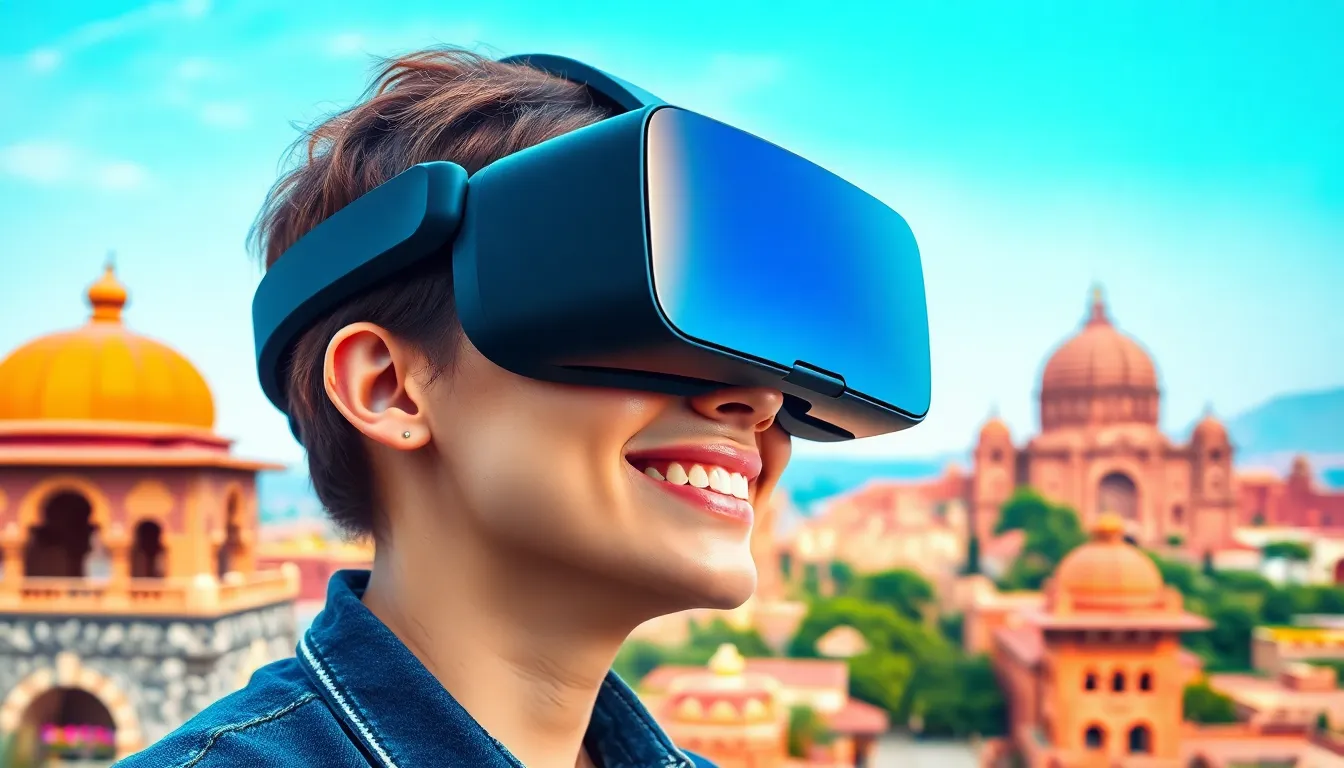
Virtual reality offers significant advantages in tourism. Enhanced experiences engage travelers more deeply, making virtual interactions memorable.
Enhancing Customer Experience
Customers enjoy heightened immersion with VR experiences. They discover destinations in detail, creating emotional connections before actual travel. Users can explore cultural sites or enjoy guided tours, fostering a sense of familiarity and excitement. Tourists often appreciate previews of accommodations and attractions, increasing confidence in their travel choices. Unique VR simulations help bridge the gap for those unable to travel. By providing these experiences, the tourism industry drives interest and satisfaction among potential visitors.
Cost-Effective Marketing Solutions
Marketing strategies benefit from the innovative use of VR. Travel agencies present virtual previews, reducing the need for extensive physical resources. Engaging content captures the attention of potential travelers, influencing their decision-making processes. Costs associated with physical promotional materials decrease as VR technology becomes more accessible. Tourism boards utilize immersive experiences to highlight destinations effectively, appealing to a broader audience. Unique virtual experiences foster brand loyalty, making marketing efforts more efficient and impactful in a competitive industry.
Applications of Virtual Reality in Tourism
Virtual reality (VR) applications in tourism enhance experiences for travelers and professionals alike. The technology creates opportunities for immersive engagement with destinations.
Virtual Tours of Destinations
Virtual tours offer potential tourists a comprehensive preview of attractions. Users can virtually wander through iconic landmarks such as the Eiffel Tower or the Great Wall of China. These experiences provide insights into locations without geographical constraints. High-quality VR content highlights unique cultural aspects and historical significance often missed in traditional travel. Travel agencies utilize these virtual experiences to capture interest and encourage bookings. Furthermore, virtual tours cater to individuals with mobility limitations, allowing them to explore the world from home.
Training for Hospitality Staff
VR training programs equip hospitality staff with essential skills in an interactive environment. Realistic simulations enable employees to practice handling various customer interactions. This approach improves communication and problem-solving abilities, essential in the hospitality industry. Staff can experience scenarios such as managing bookings or addressing guest complaints without real-world consequences. Enhanced training methods lead to improved service quality and greater customer satisfaction. Overall, VR training prepares employees for diverse experiences they may encounter, ultimately benefiting the entire tourism sector.
Challenges of Implementing Virtual Reality in Tourism
Implementing virtual reality in tourism presents several challenges. Addressing these issues is crucial for the successful integration of this technology.
Technological Barriers
Technological barriers significantly impact the adoption of virtual reality in tourism. High costs associated with VR equipment create a barrier for some businesses. Additionally, insufficient infrastructure in certain areas limits access to advanced technology. Many users encounter compatibility issues with devices and software, leading to inconsistent experiences. Furthermore, content creation demands specialized skills, which some tourism providers may lack. These challenges hinder the widespread use of VR, even as technological advancements progress.
User Adoption Issues
User adoption issues also affect virtual reality’s integration in tourism. Some individuals remain unfamiliar with VR technology, leading to hesitance in trying it. Perceived complexity can deter potential users, preventing mainstream acceptance. Comfort levels vary, with some users experiencing motion sickness during VR experiences. Additionally, age differences influence adoption rates; older demographics may show reluctance to engage with new technologies. Addressing these concerns requires education and exposure to VR experiences that build confidence among hesitant users.
Future Trends in Virtual Reality in Tourism
Innovative advancements in virtual reality are set to reshape tourism. Integration of AI technologies will enhance VR experiences, providing personalized travel suggestions based on user preferences. Enhanced social VR platforms enable travelers to explore attractions together, fostering shared experiences regardless of physical location.
Growing adoption of 5G networks allows for smoother, more immersive virtual experiences. Speed and bandwidth improvements facilitate high-quality graphics and real-time interactions, making virtual tours feel more lifelike. Moreover, as VR headsets become more affordable, a broader audience gains access to virtual experiences, expanding market reach.
Tourism companies increasingly focus on gamified experiences within VR. Incorporating challenges and rewards engages users, transforming the exploration of destinations into an interactive adventure. Augmented reality elements may supplement VR offerings, merging real environments with virtual enhancements for richer experiences.
Collaborations between tech companies and travel agencies are also on the rise. Partnerships enable the creation of cutting-edge VR content that highlights unique aspects of destinations, enticing potential travelers. Furthermore, data analytics will inform VR content development. Understanding user engagement helps tailor experiences that resonate with diverse audiences.
Sustainability initiatives will play a significant role in future VR tourism strategies. By promoting virtual experiences, companies can minimize travel’s carbon footprint and encourage responsible tourism. Enhanced virtual previews empower travelers, allowing informed decisions about destinations, thereby improving overall satisfaction.
Increased focus on accessibility ensures that VR becomes a tool for inclusivity. Adaptive technologies will make virtual experiences available to individuals with disabilities, broadening the reach of tourism experiences. Overall, the future of VR in tourism promises to create connections, inform choices, and offer immersive explorations without traditional travel restrictions.
Virtual reality is revolutionizing the tourism industry by offering unique and immersive experiences that transcend traditional travel limitations. As technology continues to evolve, the potential for VR to enhance travel planning and foster emotional connections with destinations becomes increasingly significant.
The integration of AI and 5G technologies promises to further enrich these virtual experiences, making them more accessible and engaging for a wider audience. With a focus on sustainability and inclusivity, VR is set to transform how individuals explore the world, creating opportunities for those who might otherwise face barriers to travel.
Ultimately, the future of virtual reality in tourism is bright, paving the way for innovative solutions that redefine the travel experience.