Imagine diving into your favorite Netflix series, not just watching it but living it. With Netflix venturing into virtual reality, that dream is closer to reality than ever. Picture yourself side by side with your favorite characters, dodging zombies or solving mysteries in a world where your couch transforms into a spaceship. It’s not just binge-watching anymore; it’s binge-experiencing.
As the lines between reality and imagination blur, Netflix is ready to take viewers on a wild ride. Virtual reality opens up a realm of storytelling possibilities that traditional screens can’t match. Who wouldn’t want to feel the thrill of a high-speed chase or the warmth of a heartfelt moment in 360 degrees? Buckle up as we explore how Netflix is revolutionizing entertainment and why you might want to invest in that VR headset after all.
Overview Of Netflix Virtual Reality
Netflix’s venture into virtual reality transforms how viewers consume content. The platform aims to create immersive experiences, allowing users to step into their favorite shows and interact with characters. VR technology provides unique storytelling opportunities that elevate engagement levels well beyond traditional watching.
Audiences can practically enter the narrative world, participating in scenes rather than simply observing. This shift enhances emotional connections with characters, making stories more impactful. Original series and films may soon incorporate interactive elements, where choices influence the direction of the plot.
Innovative storytelling possibilities arise from this new medium. Audiences might explore expansive environments or engage in action alongside their favorite heroes. Emphasis on user participation marks a significant evolution in entertainment consumption.
As Netflix expands virtual reality offerings, the demand for compatible VR headsets increases. Companies like Oculus and HTC lead the market with devices that provide high-resolution visuals and dynamic audio experiences. Investment in quality hardware ensures viewers enjoy content in a fully immersive setting.
Accessibility becomes a crucial factor in widespread VR adoption. Streaming optimizations will focus on ensuring smooth playback to enhance the viewing experience. Content licensing agreements may evolve to include VR-specific adaptations.
The potential for original VR content remains significant. Collaborations between creators and VR developers can lead to groundbreaking projects that attract subscribers. Netflix’s commitment to innovation positions it as a frontrunner in the entertainment industry’s shift toward immersive media.
Benefits Of Netflix Virtual Reality
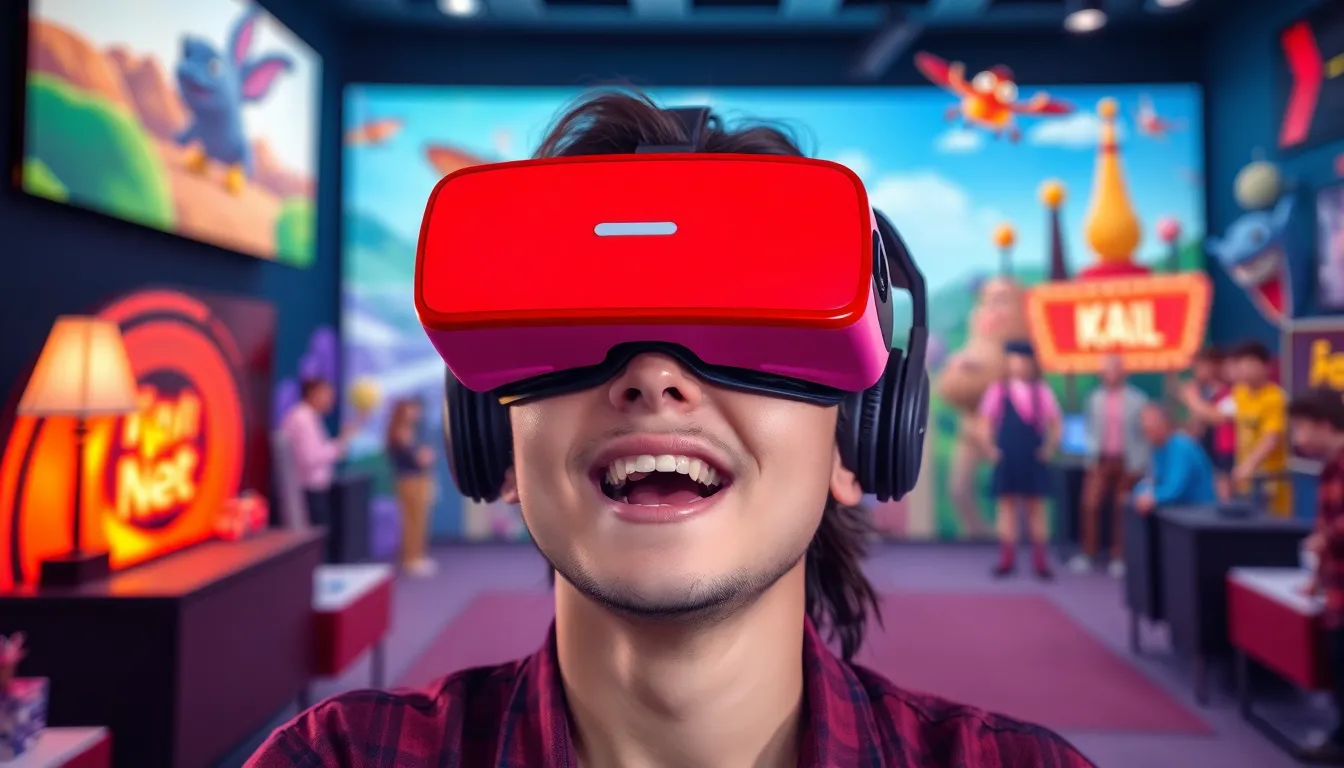
Netflix’s venture into virtual reality offers several key benefits that enhance viewer engagement. Immersive technology fundamentally reshapes how audiences connect with content.
Enhanced Viewing Experience
Viewers enjoy a superior experience with virtual reality by entering a three-dimensional environment. Participants can explore scenes, shifting perspectives that traditional screens cannot provide. Substantial attention to detail in VR environments allows for authentic storytelling, creating an impactful atmosphere. The technology’s immersive nature encourages users to feel present within the narrative. Stronger emotional connections arise when individuals can step into their favorite shows.
Immersive Content Interaction
Characters come to life in virtual reality, allowing users to interact directly with them. Engaging with storylines dynamically influences plot outcomes, which adds a layer of personalization. By making choices within narratives, viewers experience unique journeys tailored to their preferences. Enhanced interactivity enhances the overall enjoyment and provides a sense of agency. Innovative original series could further leverage this engagement, amplifying viewer appeal.
Challenges Of Netflix Virtual Reality
Netflix faces numerous challenges as it ventures into virtual reality. Technical limitations and content availability stand out as significant hurdles that need addressing.
Technical Limitations
Virtual reality hardware requirements restrict accessibility. Many consumers may not invest in VR headsets, limiting the audience. Streaming quality also poses challenges; high bandwidth is necessary for smooth experiences. Latency issues can affect immersion, leading to user dissatisfaction. Compatibility across various devices is crucial. A lack of uniform VR standards complicates the development process. These technical factors hinder widespread adoption of Netflix’s VR offerings.
Content Availability
Content availability remains a pressing concern for Netflix. The platform’s extensive library doesn’t easily translate into VR formats. Developing original VR content requires significant investment in production resources and technology. Collaborations with VR creators become essential to enrich content offerings. Licensing existing shows for VR adaptation may also come with complexities. Viewers expect high-quality experiences, further straining content creation efforts. Netflix must address these challenges to keep pace with audience demands in the immersive media landscape.
Future Of Netflix Virtual Reality
Netflix’s venture into virtual reality promises to redefine viewer experiences. Engaging storytelling takes center stage as audiences step into their favorite series, creating deeper emotional connections with characters. Immersive environments foster exploration through three-dimensional spaces, delivering a viewing experience absent in traditional formats.
Interactivity plays a crucial role in this evolution. Audiences influence plot outcomes, enhancing personalization and creating unique narratives. Technologies from leading companies like Oculus and HTC support this shift, indicating a strong demand for VR headsets.
Streaming optimizations will also be vital for seamless content delivery. Reducing latency issues remains a priority to enhance user satisfaction. Accessibility challenges stem from hardware requirements and lack of uniform VR standards, complicating widespread adoption.
Content availability poses another hurdle. Adapting Netflix’s extensive library into VR formats presents complexities. Original VR content development requires substantial investment, but potential collaborations with VR developers could yield groundbreaking projects.
Viewer engagement is set to increase as Netflix navigates these challenges. Immersive technology reshapes how stories unfold and captivates audiences in unprecedented ways. The future of Netflix virtual reality holds immense potential for transforming the entertainment landscape.
Netflix’s venture into virtual reality is set to revolutionize how audiences engage with stories. By allowing viewers to step into immersive environments and interact with characters, the platform is redefining the traditional viewing experience. This shift not only enhances emotional connections but also paves the way for personalized narratives that resonate on a deeper level.
As Netflix navigates the challenges of VR technology and content adaptation, its commitment to innovation remains clear. The potential for groundbreaking original content and collaborations with VR developers positions Netflix at the forefront of the immersive media landscape. With advancements in accessibility and streaming quality, the future of entertainment is bright, promising a dynamic and engaging experience for viewers everywhere.