In a world where communication is key and creativity reigns supreme, the intersection of arts, audio/video technology, and communications has never been more thrilling. Imagine a realm where vibrant visuals dance with captivating sounds, all while delivering messages that resonate. This isn’t just a dream; it’s the heartbeat of modern expression.
From the latest in video production techniques to the enchanting world of sound design, the fusion of creativity and technology opens doors to endless possibilities. Whether it’s a viral video that makes you laugh or an art installation that leaves you pondering, these elements work together like a well-tuned orchestra. So buckle up and get ready to explore how this dynamic trio is reshaping the way we connect, create, and communicate. Who knew tech could be this cool?
Overview of Arts, Audio/Video Technology and Communications
Arts, audio, video technology, and communications interconnect to shape contemporary expression and interaction. Creativity thrives in environments where technology enhances artistic endeavors. Innovations in audio and video technology enrich storytelling, allowing artists to engage audiences on deeper levels. Examples include immersive environments and augmented reality art pieces, which captivate viewers and encourage participation.
Advancements in communication platforms play a vital role in how creators distribute their work. Social media platforms and streaming services provide immediate access to artistic content, allowing artists to build communities around their creations. Live streaming events enable real-time audience engagement, making performances accessible to global viewers.
Collaboration between artists and technologists produces groundbreaking works that redefine traditional boundaries. Musicians increasingly use digital tools to produce and share music, while filmmakers leverage cutting-edge technology for visual effects, enhancing storytelling. Visual artists now explore interactive digital mediums that invite viewer interaction, altering the art experience.
Education in arts and technology fosters important skills for future creators. Programs that combine these disciplines equip students with knowledge in both creative and technical fields. Partnerships with industry leaders provide hands-on experience, bridging the gap between academic learning and real-world application.
Cultural institutions and organizations embrace these advancements, promoting exhibitions and events that highlight the relationship between art and technology. Initiatives that showcase innovative projects challenge audiences to rethink the role of technology in artistic expression. Overall, the synergy between arts, audio/video technology, and communications continues to transform how society creates and experiences art.
The Role of Arts in Technology
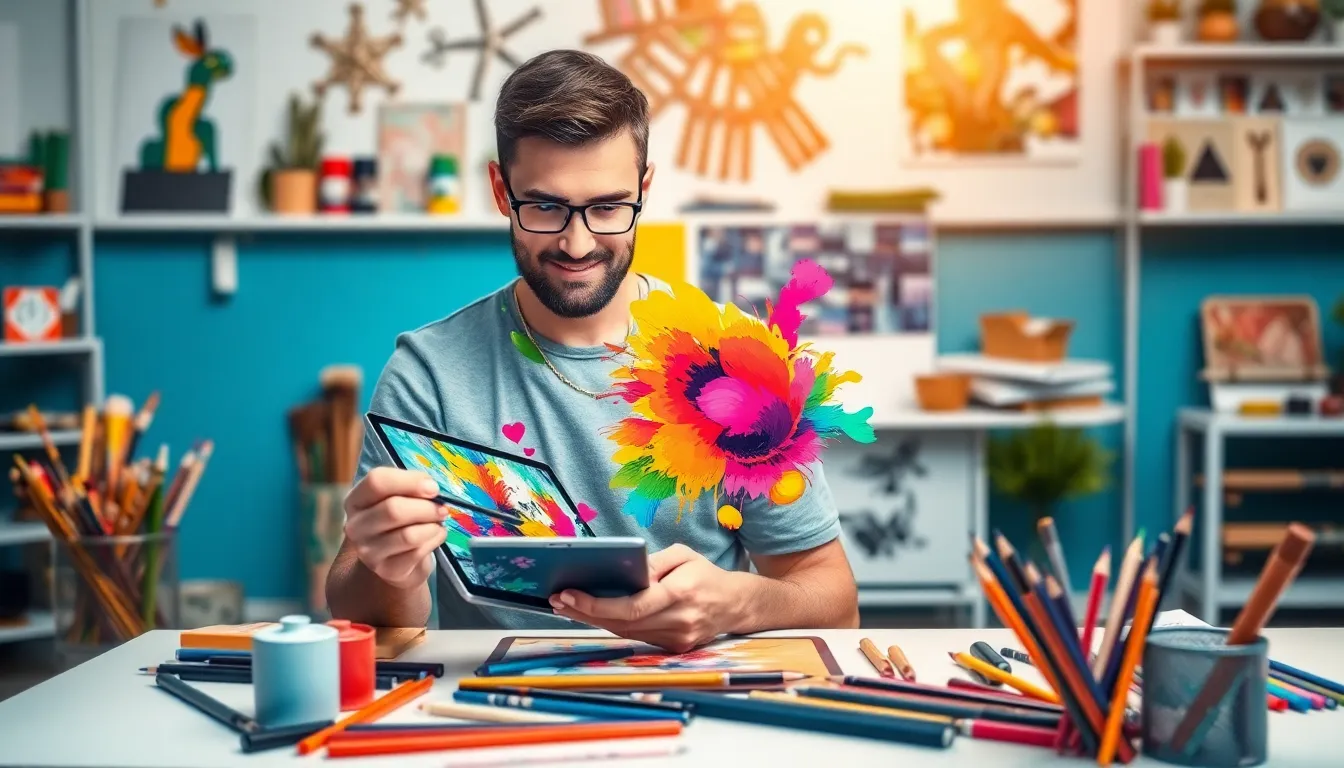
Arts significantly contribute to technological innovation, driving creativity in various fields. The fusion of artistic principles with technological advancements shapes modern expressions across multiple platforms.
Visual Arts and Technology Integration
Visual arts benefit immensely from technology integration. Digital tools allow artists to create stunning visual pieces that might not be possible with traditional methods. Software programs like Adobe Photoshop and Illustrator give artists the ability to experiment with colors, textures, and forms. Furthermore, augmented reality and virtual reality applications enable immersive experiences. For instance, installations can transport viewers into a digitally created world, enhancing emotional engagement. Social media platforms also play a crucial role, allowing artists to share their work and interact directly with audiences, fostering appreciation and dialogue around contemporary art.
Performing Arts and Multimedia
The performing arts experience rich transformations through multimedia innovation. Live performances increasingly incorporate multimedia elements, creating dynamic, engaging experiences for audiences. Video projections, sound design, and interactive displays enhance storytelling, deepen emotional connections, and provide new dimensions to traditional theater. Musicians and dancers utilize technology to bring their artistry to life, often collaborating with video artists and sound engineers. As a result, performances reach wider audiences via live streaming and online platforms, allowing for real-time engagement and expanding the reach of their art. The amalgamation of various media elevates artistic expression, redefining the boundaries of performance.
Innovations in Audio/Video Technology
Audio and video technology see rapid advancements, shaping modern arts and communication in significant ways.
Advances in Audio Production
Immersive soundscapes characterize the latest developments in audio production. Spatial audio technology enhances listener experiences by creating an enveloping sound environment. Software platforms now offer advanced audio editing tools, empowering creators to mix and master their work with precision. Industry professionals increasingly adopt artificial intelligence, streamlining processes such as noise reduction and sound design. Collaboration tools enable musicians to work remotely, facilitating creative partnerships across global distances. Improved accessibility of high-quality microphones and recording equipment encourages emerging artists to produce professional-level content. Such advancements lead to richer narratives, ultimately enhancing the overall impact of audio productions.
Breakthroughs in Video Technology
Video technology innovations redefine how content is created and consumed. High-definition formats and 4K resolution provide stunning visuals essential for storytelling. Content creators utilize drones for breathtaking aerial footage, transforming perspectives in visual narratives. Real-time rendering technologies allow filmmakers to visualize scenes instantly, optimizing production efficiency. Live-streaming platforms bring audiences and creators together, facilitating interactions that were previously unattainable. Virtual reality and augmented reality provide immersive experiences, blending art and technology in groundbreaking ways. Such breakthroughs continually expand creative possibilities, influencing how the audience engages with visual content.
Communication in the Digital Age
Digital advancements transformed communication, influencing how individuals engage with art and each other. With tools emerging constantly, modern expressions reflect new ways of sharing creativity.
The Impact of Social Media
Social media platforms revolutionized art distribution and audience engagement. Creators use sites like Instagram and TikTok to showcase their work instantly, which fosters a sense of community among artists and viewers. Artists connect directly with their followers, gaining immediate feedback and building dedicated fan bases. Viral trends often arise from these interactions, amplifying reach and visibility. Consequently, many creators adapt their styles and messages to resonate with broader audiences. The democratization of content sharing also allows underrepresented voices to gain recognition, challenging traditional art world hierarchies.
Virtual Reality and Communication
Virtual reality (VR) reshaped communication experiences by immersing audiences in art. Through VR headsets, users explore digital installations as if they were physically present, accessing interactive narratives. Artists leverage this technology to create captivating environments that transform storytelling. Engagement levels soar as users partake in experiences that elicit emotions and provoke thoughts. Collaborations between artists and technologists lead to groundbreaking projects that redefine interactions. With VR, the line blurs between creator and observer, establishing a shared space for exploration and discovery. These advancements highlight the potential of technology to enhance artistic expression and audience connection.
Challenges and Opportunities
The fusion of arts, audio/video technology, and communications presents distinct challenges and numerous opportunities. Navigating this landscape requires acknowledging ethical considerations and identifying future trends.
Ethical Considerations in Arts and Technology
Ethical dilemmas arise when technology intersects with artistic expression. Artists face concerns over copyright infringement, as digital tools facilitate the quick replication of work. Plagiarism risks increase with easy access to content, challenging the original creator’s rights. Additionally, the use of artificial intelligence in creating art sparks debates about authorship and authenticity. Discussions regarding algorithmic bias highlight the importance of inclusivity in technological tools used in art. Transparency surrounding the use of data in artistic projects promotes trust within creative communities.
Future Trends in Communication Technologies
Rapid advancements in communication technologies shape how audiences interact with art. Virtual reality stands at the forefront, transforming traditional experiences into immersive environments. Live streaming continues to gain popularity, enabling artists to connect with global audiences in real-time. Social media integrations foster community engagement, enhancing art’s reach. 5G technology promises quicker connections, allowing for high-quality streaming and interactions. Innovations in mixed reality create opportunities for interactive storytelling, merging physical and digital realms. Artists must stay attuned to these trends to adapt and innovate within their practices.
The fusion of arts, audio/video technology, and communications is reshaping the landscape of modern expression. This dynamic interplay not only enhances creativity but also fosters deeper connections between artists and audiences. As technology continues to evolve, it opens new avenues for artistic exploration and collaboration.
Emerging trends like virtual reality and live streaming are redefining how art is experienced and shared. The democratization of content through social media platforms empowers diverse voices, challenging traditional norms in the art world.
Navigating the challenges and opportunities presented by these advancements will be crucial as artists adapt to an ever-changing environment. The future of art lies in embracing innovation while remaining committed to inclusivity and ethical practices.