In a world where every cat video and TikTok dance challenge demands high-quality audio and eye-catching visuals, arts audio/video technology and communications have become the unsung heroes of creativity. Whether it’s a blockbuster film or a local theater production, these technologies transform mere ideas into captivating experiences that leave audiences wanting more.
Overview of Arts Audio/Video Technology & Communications
Audio and video technology plays a vital role in the arts landscape. This technology encompasses tools that facilitate the creation and distribution of artistic content. Artists leverage these tools to enhance storytelling, allowing them to engage audiences on deeper levels. Filmmakers utilize state-of-the-art cameras and sound equipment to capture every nuance, ensuring quality that resonates.
Theatrical productions benefit from advanced audio systems, providing clarity and immersion for live performances. Professional lighting setups complement visual elements, enhancing the mood and atmosphere on stage. Musicians depend on microphones, mixers, and effects processors to deliver powerful sound experiences during performances.
Telecommunications also plays a pivotal role in the arts. Streaming platforms and social media channels disseminate artistic content to global audiences. Artists utilize these platforms to showcase their work, building communities and enabling direct interaction with fans. Virtual events and online galleries have emerged as popular alternatives during challenging times, enhancing accessibility for enthusiasts around the world.
Emerging technologies further redefine the landscape of arts audio/video communications. Virtual reality and augmented reality offer innovative ways to experience art. These technologies create immersive environments, allowing audiences to explore creativity in unprecedented ways. Additionally, artificial intelligence tools assist in video editing and sound design, streamlining production processes.
The significance of high-quality technical execution cannot be overstated. The combination of audio and visual elements significantly impacts audience perception and engagement. As technology continues to evolve, its integration within the arts remains essential for producing captivating experiences.
The Role of Technology in Arts
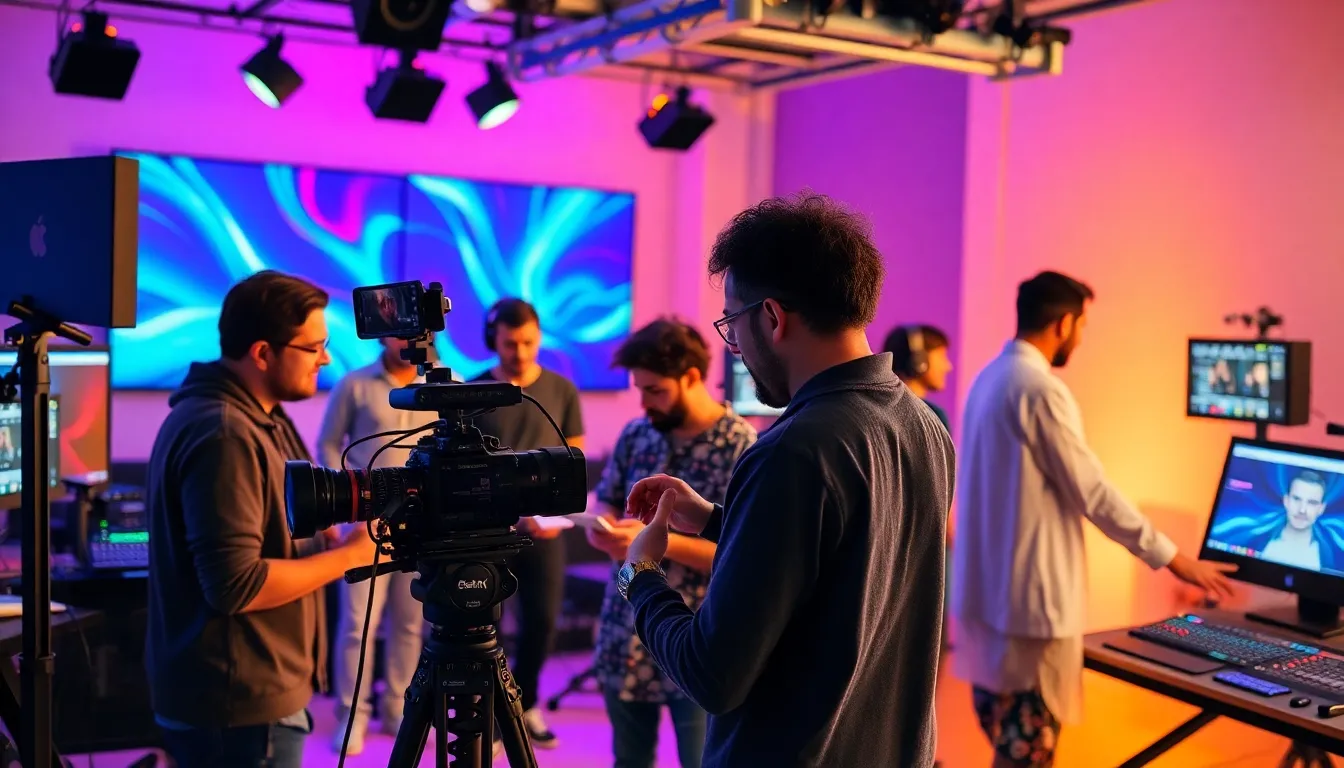
Technology significantly transforms how artists express their creativity. By integrating audio and video tools, creators craft unique experiences that connect deeply with audiences.
Impact on Creative Expression
Arts technology shapes creative boundaries. Filmmakers leverage advanced cameras, capturing intricate details that tell stories more effectively. Musicians utilize state-of-the-art sound systems, enhancing their performances and creating emotional connections. Theatrical productions explode with vibrant visuals and dynamic audio, drawing audiences into immersive worlds. Collaborative works flourish in the digital space, allowing artists to merge various mediums. Artists harness technology to push traditional boundaries and engage audiences in innovative ways.
Access to New Tools and Techniques
New tools and techniques revolutionize artistic practices. Digital software offers endless possibilities for graphic design, animation, and music production. Filmmaking has seen innovations like drones, which provide unique perspectives and breathtaking visuals. Local artists access high-quality equipment that previously belonged to mainstream industries. User-friendly platforms enable even novice creators to craft professional-looking content. Virtual reality presents fresh horizons in audience engagement, allowing viewers to step inside the artwork. Overall, technology opens doors for exploration, experimentation, and expanded artistry.
Key Components of Audio/Video Technology
Audio and video technology play a pivotal role in the arts, providing essential tools for creators to express their vision and connect with audiences.
Audio Equipment
Microphones capture sound with precision, turning live performances into memorable experiences. Speakers deliver sound quality, ensuring the audience hears every note and word clearly. Mixing consoles control audio levels and effects, allowing sound engineers to create rich soundscapes. This combination of equipment enhances musical performances, theater productions, and films alike. Digital audio workstations facilitate editing and production processes, empowering artists to refine their sound. With the use of effects processors, creators can manipulate audio to achieve desired outcomes, making performances more dynamic and engaging.
Video Equipment
Cameras are fundamental in capturing visual content, transforming artistic ideas into compelling narratives. Lighting equipment sets the mood, enhancing visual appeal and emphasizing key elements in a scene. Tripods and gimbals ensure stability, resulting in smooth shots and professional-looking video. Editing software allows for seamless cuts and polished visuals, giving creators the tools to refine their stories. Drones offer unique aerial perspectives, expanding creative possibilities in filmmaking. These components work together to enrich the viewer’s experience, making audio/video technology integral in arts production.
Innovations in Communication for Arts
Innovative communication tools drive advancements in the arts. They reshape how artists create, share, and engage with their audiences.
Digital Platforms
Digital platforms revolutionize art distribution and accessibility. Social media sites allow creators to showcase their work, fostering interactions with a global audience. Artists use websites and applications to exhibit portfolios, share techniques, and network. Tools such as Discord and Twitch enable real-time collaboration, expanding creative possibilities. Innovative platforms support engaging content creation, allowing interdisciplinary projects that merge art and technology. As a result, these advancements maintain relevance in a rapidly evolving cultural landscape.
Streaming Services
Streaming services transform how audiences experience art. Platforms like YouTube and Vimeo democratize access to films, performances, and music, reaching millions globally. Artists leverage these services for live performances, connecting with fans in real time. High-quality streaming enhances the artistic experience, creating immersive environments that replicate live events. Data shows that many viewers prefer on-demand content, driving creators to innovate and adapt. As technology evolves, streaming services continue to redefine artistic communication, emphasizing convenience and engagement.
The Future of Arts Audio/Video Technology & Communications
Artists increasingly rely on audio and video technology to create innovative experiences that resonate with audiences. Emerging technologies transform artistic expression, with virtual reality and augmented reality offering new avenues for interaction. Filmmakers capture intricate details through advanced cameras, while sound designers enhance performances with state-of-the-art audio equipment.
High-quality content delivery thrives in real-time, with streaming platforms like YouTube and Vimeo democratizing access to artistic creations. Artist collaborations flourish through tools such as Discord and Twitch, where interdisciplinary projects come to life. Innovative audio and video tools allow local creators to produce professional-grade content, breaking down previous barriers.
New techniques, like drone cinematography, expand visual storytelling possibilities. Whether capturing aerial footage or enhancing theatrical presentations, technology enriches the viewer’s experience. Sophisticated mixing consoles elevate sound quality, ensuring captivating performances in live settings.
Communication methods also evolve, reshaping how artists engage with their audiences. Digital platforms facilitate direct interaction, allowing creators to showcase work while receiving immediate feedback. Artists use social media to build communities, creating meaningful connections that enhance their reach and influence.
As these technologies advance, they’re set to redefine the arts landscape, pushing creative boundaries further than ever before. A strong focus on high-quality technical execution remains essential in crafting compelling narratives that engage audiences. The future promises a dynamic fusion of art and technology, where endless possibilities await exploration.
The integration of audio and video technology in the arts is reshaping how creators express their visions. As these tools become more accessible, artists can push boundaries and produce high-quality content that resonates with diverse audiences. Emerging technologies like virtual and augmented reality are opening new avenues for creativity, enhancing storytelling in ways previously unimaginable.
Moreover, digital communication platforms foster collaboration and engagement, allowing artists to connect with global audiences in real time. This evolving landscape not only democratizes art but also enriches the overall experience for viewers. The future of arts audio and video technology promises exciting developments that will continue to transform artistic expression and community interaction.