In a world where everyone’s trying to capture the perfect TikTok moment, arts audio video technology and communications have transformed from a niche interest into a must-have skill set. Whether it’s crafting a viral video or producing a stunning audio piece, these technologies are the magic wands that turn creative dreams into reality.
Understanding Arts Audio Video Technology and Communications
Arts audio video technology and communications play crucial roles in modern content creation. These elements integrate to enhance the quality of visual and auditory experiences, ensuring effective audience engagement. Professionals leverage tools like high-definition cameras and advanced audio software to produce impressive projects. Creative minds utilize platforms such as TikTok, where expertise in these technologies can lead to viral content.
Video production encompasses various stages, including pre-production, production, and post-production. Each phase involves specific techniques that shape the final output. Through effective storytelling and visual effects, creators capture the audience’s attention and convey messages powerfully. Likewise, audio technology enriches the experience, whether through sound design, voiceovers, or music scoring.
Communications technology facilitates connectivity among creators and their audiences. Methods like live streaming and social media interaction enable real-time feedback and engagement, fostering community. Collaboration tools allow teams to work remotely, streamlining project workflows and enhancing creativity.
Understanding the impact of these technologies is essential. Educators and industry leaders emphasize their importance in both academic and professional settings. As digital content continues to grow, knowledge of audio video technology and communications remains a valuable asset. As a result, aspiring creators need to stay informed about emerging trends and tools to remain competitive.
Key Components of Audio Video Technology
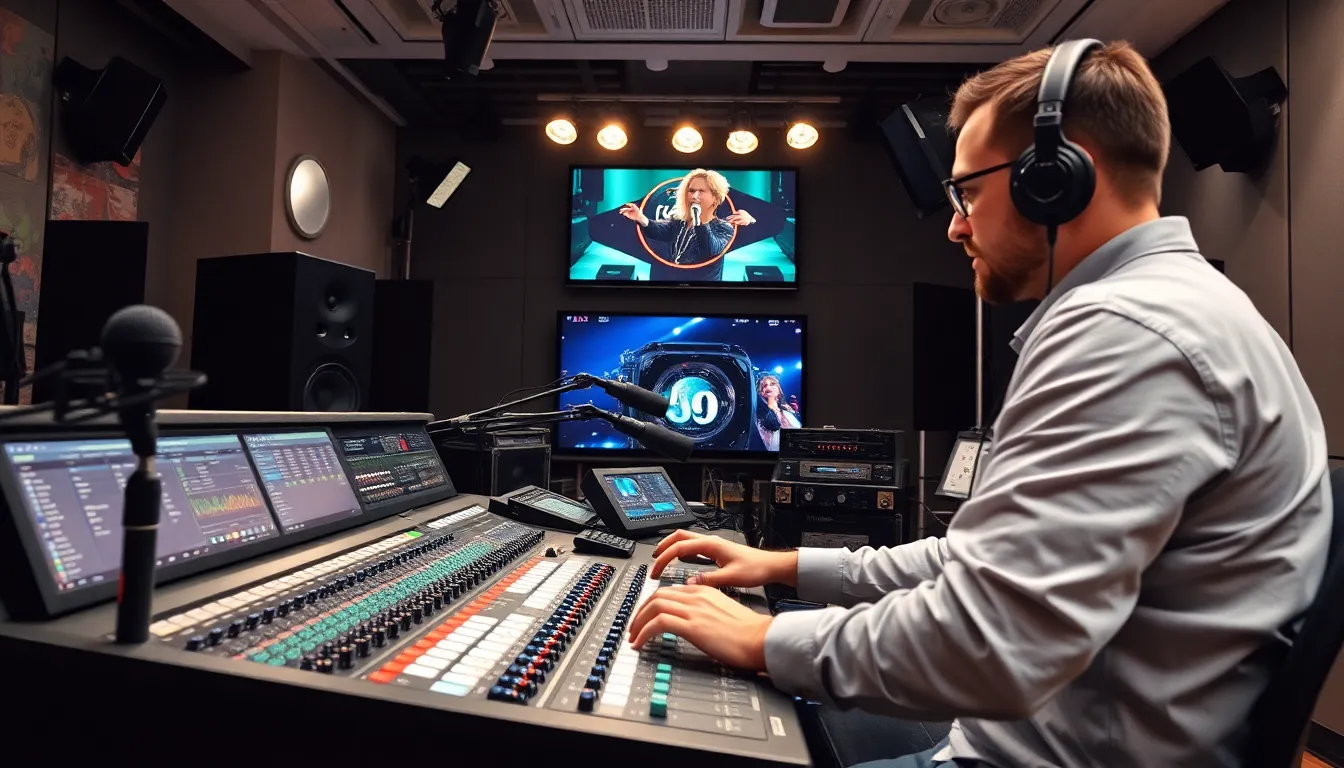
Components of audio video technology are essential for creating immersive content. Understanding these elements enhances the quality of creative projects.
Sound Systems
Sound systems play a vital role in audio production, ensuring clear and rich audio experiences. Speakers, microphones, mixers, and amplifiers comprise essential elements of sound systems. Quality microphones capture voices accurately during recordings. Mixers facilitate control over audio levels, allowing creators to adjust sound balance. Amplifiers ensure speakers deliver powerful sound, making events engaging. Wireless systems enhance mobility and flexibility, crucial for live events and shoots. Moreover, incorporating sound design and audio effects enriches the overall production, creating an engaging auditory atmosphere.
Video Equipment
Video equipment is essential in producing high-quality visuals for various content types. Cameras, lenses, lighting, and tripods represent key components in video production. High-definition cameras capture crisp images, making them suitable for various settings. Lenses allow for creative framing and focus adjustments, enhancing storytelling. Proper lighting techniques, such as three-point lighting, highlight subjects effectively and create mood. Tripods ensure stability, preventing shaky footage and enhancing professionalism. In addition, integrating drone technology offers captivating aerial shots, expanding creative possibilities in video content.
The Role of Technology in Arts Communication
Technology significantly enhances communication in the arts sector, facilitating both content creation and audience engagement.
Digital Platforms
Digital platforms serve as essential tools for creators. They enable the sharing of multimedia content across various channels, including social media and streaming services. Creators leverage platforms like YouTube and TikTok to reach vast audiences, making their work accessible. Each platform offers unique features, such as analytics for tracking engagement and feedback mechanisms for audience interaction. Effective use of these platforms allows artists to refine their messages and build communities around their work. Collaboration across different digital platforms can amplify the reach of artistic projects, driving greater visibility and impact.
Interactive Media
Interactive media transforms how audiences experience art. This technology allows for immersive engagement through elements like virtual reality and augmented reality. Artists incorporate these tools to create dynamic experiences that invite active participation. For instance, interactive installations can turn viewers into contributors, enhancing emotional connection to the artwork. The ability to engage with art in real time fosters deeper understanding and appreciation. As interactive media continues to advance, it shapes the future of artistic expression, creating new opportunities for creativity and collaboration.
Innovations in Arts Audio Video Technology
Innovative advancements drive the evolution of arts audio video technology, reshaping content creation. Creators now access cutting-edge tools and techniques that enhance storytelling and audience interaction.
Emerging Technologies
Virtual reality and augmented reality technologies disrupt traditional artistic expression. These immersive experiences allow artists to create content that engages viewers on a deeper level. Additionally, artificial intelligence streamlines video editing and sound design, offering tools that automate routine tasks and enhance creativity. Drones, equipped with high-definition cameras, expand the possibilities for capturing breathtaking aerial footage, transforming the landscape of visual storytelling. 360-degree video captures entire environments, providing viewers with a sense of presence within the content. These emerging technologies contribute significantly to the richness of artistic projects, enabling creators to push boundaries.
Trends in Communication
Live streaming platforms redefine audience engagement in real-time. Artists utilize these channels to showcase their work and connect with fans directly. Social media continues to serve as a vital tool for distributing multimedia content and building communities around artistic endeavors. Short-form video content, popularized by apps like TikTok, demands concise storytelling that captivates viewers instantly. Interactive elements within content foster audience participation, encouraging dialogue and collaboration. This shift toward participatory media strengthens the connection between creators and audiences, shaping the future of arts communication.
Challenges and Solutions in the Industry
The arts audio video technology and communications industry faces distinct challenges that require effective solutions.
Technical Barriers
Technical barriers often hinder creators from fully realizing their projects. High costs of cutting-edge equipment can restrict access, limiting creative opportunities for emerging artists. Compatibility issues among various devices and software can disrupt workflows, leading to technical frustrations. Additionally, the rapid pace of technological advancements demands continuous learning, which can overwhelm professionals and students alike. Resource availability varies; not every creator has access to advanced technology or high-speed internet, impacting their ability to produce content at a competitive level.
Creative Solutions
Creative solutions emerge to address these challenges. Collaboration platforms enable creators to share resources and knowledge, fostering innovation among diverse teams. Open-source software alternatives reduce costs, providing affordable options for audio and video editing. Online tutorials and workshops offer skill development, making new technologies accessible to a broader audience. Furthermore, community organizations often provide equipment loans or training sessions, promoting inclusivity in the industry. By leveraging networking opportunities, creators can build partnerships that support resource sharing and skills enhancement.
The landscape of arts audio video technology and communications is rapidly evolving. As creators harness these tools, they unlock new possibilities for storytelling and audience engagement. The integration of advanced technologies not only enhances the quality of content but also fosters deeper connections between artists and their audiences.
Emerging trends in virtual reality and artificial intelligence are reshaping the creative process, making it essential for aspiring creators to stay informed. By embracing innovation and collaboration, they can overcome challenges and thrive in this dynamic industry. The future of content creation is bright, and those equipped with the right knowledge and skills will undoubtedly lead the way.